Innovative Solutions in Mechanical Systems: Comprehensive Services for Modern Industries
Cutting-edge innovations in mechanical technologies are revolutionizing modern industries. Such developments focus on maximizing production output while addressing operational challenges. Robotics, automation, and real-time data analysis are instrumental factors in this industrial shift. As sectors strive toward long-term efficiency and sustainability, the incorporation of sophisticated materials and approaches becomes essential. The significance of these changes are deeply significant, necessitating a detailed review of their influence on design and deployment approaches. Which evolving trends will shape the trajectory of mechanical systems?
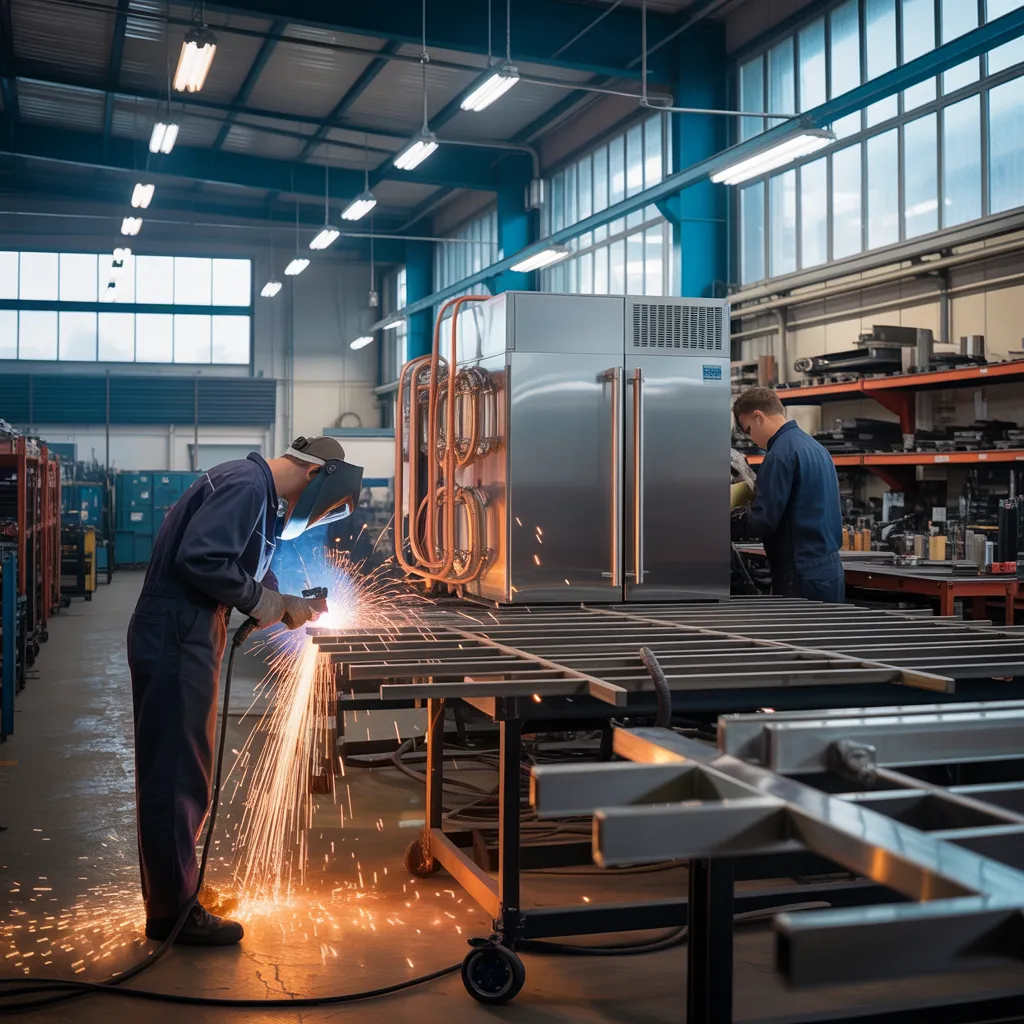
The Impact of Mechanical Systems on Modern Industries
In a time when efficiency and innovation are critical, mechanical systems serve a vital function in contemporary industries. These systems encompass a wide range of technologies, including automation, robotics, and various machinery, all developed to improve operational productivity. Within manufacturing, mechanical systems simplify operations, reduce human error, and optimize resource allocation. Their integration facilitates the rapid production of goods, permitting organizations to react promptly to market demands.
Furthermore, mechanical systems contribute markedly to the reliability and upkeep of industrial processes. Predictive maintenance techniques, supported by sophisticated sensors and analytical data, assure systems run at maximum efficiency, decreasing equipment downtime. This level of reliability is crucial in areas including automotive, energy, and aerospace fields, where precision and safety cannot be compromised. In summary, mechanical systems remain indispensable, fostering developments that not only boost efficiency but also promote innovation across various industrial landscapes.
Innovations Addressing Challenges in Mechanical Systems
Innovations in industrial machinery are essential for tackling current difficulties faced by the industrial sector. The integration of advanced robotics enhances operational automation, while predictive maintenance strategies decrease costly downtime and expenses. Furthermore, advances in energy conservation contribute to long-term sustainability targets, making these advancements indispensable for the future of industrial growth.
Advanced Robotics Integration
As industries face growing complexity in challenges, incorporating Park Rapids top Plumbing Services advanced robotics into mechanical systems emerges as a pivotal solution. This integration enhances operational efficiency, facilitating accurate automation in production processes. Robots integrated with artificial intelligence have the ability to adjust to a range of tasks, improving production workflows and decreasing human error. Furthermore, sophisticated sensors facilitate real-time data gathering, facilitating better decision-making and optimizing resource allocation. These robotic systems also improve workplace safety by assuming dangerous tasks, thereby minimizing risks to human workers. Beyond this, the flexibility of robotic solutions supports customization, empowering industries to react promptly to market needs. In summary, advanced robotics integration represents a significant advancement in resolving the diverse challenges confronting modern mechanical systems.
Proactive Maintenance Strategies
Utilizing the potential of big data analytics, predictive maintenance strategies have become a transformative approach in mechanical equipment management. By leveraging instantaneous data collected from machines and sensors, these techniques enable organizations to anticipate machinery breakdowns before they happen. This forward-thinking approach reduces operational downtime, enhances maintenance timetables, and prolongs the operational life of essential equipment. Sophisticated algorithms process historical operational data, identifying patterns and anomalies that signal potential issues. Consequently, businesses can allocate resources more efficiently, minimizing expenditures tied to emergency maintenance and operational delays. Additionally, embracing predictive maintenance promotes a mindset of perpetual advancement, inspiring organizations to embrace modern technologies that boost operational reliability and output. Consequently, businesses can sustain their competitive advantage in ever-evolving markets.
Innovations in Energy Efficiency
As sustainability continues to gain importance, advancements in energy efficiency are transforming mechanical systems to tackle critical challenges. These advancements focus on reducing energy consumption while maintaining ideal performance. Solutions like variable frequency drives (VFDs) and cutting-edge materials significantly boost system efficiency, reducing waste and decreasing operational expenses. Additionally, the integration of smart sensors allows for real-time monitoring and adaptive responses, further improving energy use. Energy recapture systems that collect and reuse waste energy serve as a vital element in accomplishing sustainability targets. By embracing these technologies, companies can not only adhere to regulatory guidelines but also establish a competitive position in a market growing more influenced by sustainability-focused buyers. Consequently, energy efficiency innovations are pivotal for modern mechanical systems.
Ways Mechanical Systems Boost Efficiency and Sustainability
Mechanical systems transform efficiency and environmental responsibility across multiple sectors by integrating advanced technologies and streamlined processes. Such systems enhance resource management, reducing waste and lowering energy consumption. To illustrate, automated equipment boosts production efficiency while minimizing human error, contributing to increased output and superior quality. Furthermore, predictive maintenance technologies enable timely interventions, eliminating costly operational interruptions and maximizing equipment lifespan.
Across fields like manufacturing and construction, mechanical systems enable the adoption of renewable energy sources, including solar and wind power, additionally supporting environmental sustainability. Intelligent sensors and IoT functionality allow for continuous monitoring and in-depth data analysis, maintaining maximum performance and enabling quick adjustments to maintain efficiency.
Additionally, modular structures in engineering systems promote eco-friendly practices by allowing effortless upgrades and enhancements, eliminating the necessity of full-scale replacements. On the whole, the integration of these innovative solutions substantially elevates operational effectiveness and fosters a greener industrial future.
How Full-Scale Mechanical Services Revolutionize Design and Implementation
While traditional approaches to design and implementation often lead to inefficiencies, comprehensive mechanical services provide a groundbreaking solution by combining sophisticated methodologies and state-of-the-art technologies. These services streamline processes, allowing engineers to refine designs for maximum performance and cost-effectiveness. Through the use of computer-aided design (CAD) and simulation software, engineering teams can detect potential problems ahead of time, reducing the likelihood of costly revisions during later stages.
Additionally, wide-ranging mechanical services foster cross-disciplinary collaboration, confirming that each facet of a project are coordinated from the beginning. This integrated approach decreases miscommunication and enhances project timelines. In addition, the adoption of contemporary production techniques, for example additive manufacturing, facilitates highly sophisticated designs that were previously unattainable. Ultimately, the integration of extensive mechanical services not only advances the planning and execution stages but also strengthens the broader sustainability and productivity of current industrial practices, positioning companies for long-term success.
How Case Studies Highlight Future Trends in Mechanical Systems
Case studies serve as essential resources for demonstrating how advancing technologies are transforming mechanical frameworks. Through examining practical applications, such analyses deliver insights into pioneering practices and prospective future developments. This examination underscores the dynamic interplay between technological advancements and practical implementation in this industry.
Overview of Emerging Technologies
As sectors continue to adopt automation and advanced materials, new technologies are set to transform mechanical systems. Breakthroughs including additive manufacturing, advanced robotics, and smart sensors are reshaping how products are designed and produced. Real-world examples demonstrate how these technologies enhance efficiency, reduce waste, and enable customization. For instance, the integration of machine learning-powered analytics in maintenance prediction has shown significant reductions in downtime, reflecting a broader move toward anticipatory operational approaches. Furthermore, the application of composite materials is creating opportunities for stronger and more lightweight parts designed to perform under demanding circumstances. These innovations not only improve operational performance but also contribute to long-term sustainability targets, indicating a future where mechanical systems are more intelligent, resilient, and environmentally friendly. The path forward for these technologies signals an exciting new chapter in innovation.
Insights From Real-World Applications
Practical implementations of cutting-edge advancements in mechanical engineering shed light on evolving directions. Case studies from various industries illustrate how innovations including IoT, machine learning, and process automation are reshaping how operations perform. To illustrate this point, a well-documented instance in vehicle production showcased major improvements in manufacturing speed through intelligent automation systems. Similarly, the aviation industry has gained advantages through advanced fabrication methods, which enables the creation of lightweight components that enhance fuel efficiency. These instances not only emphasize direct gains but also signal a shift towards eco-friendly approaches and personalized production. As organizations integrate these technologies, the data gathered will shape next-generation solutions and define the direction of technical infrastructure, guaranteeing alignment with the dynamic requirements of today's marketplace.
Where Are Mechanical Systems Headed?
What advancements are on the horizon for mechanical systems? Mechanical systems of the future are set to undergo groundbreaking changes fueled by artificial intelligence, robotics, and sustainable practices. Enhanced automation will enable systems to operate with greater efficiency and adaptability, reducing human error and operational costs. Moreover, the adoption of IoT technologies will enable real-time monitoring and predictive maintenance, securing peak performance and durability of equipment.
3D printing, also known as additive manufacturing, is set to redefine industrial production methods, facilitating advanced design capabilities and significantly cutting down on waste. Furthermore, the increasing priority placed on sustainability will compel industries to integrate materials and methods that reduce their environmental footprint, in line with worldwide environmental objectives.
As industries progress and evolve, collaboration between engineers, software developers, and environmental scientists will be essential to advance these innovations, ensuring that mechanical systems not only meet the demands of modern industries but also contribute positively to society and the planet.
Frequently Asked Questions
What Credentials Should I Look for When Selecting a Mechanical Services Provider?
When choosing a mechanical services contractor, one should prioritize criteria such as experience, industry certifications, a proven track record, and technical expertise. Furthermore, evaluating customer feedback and service reliability can help ensure sound and informed decision-making.
How Can I Measure the ROI of Mechanical System Upgrades?
To assess the return on investment of mechanical system improvements, it is important to assess savings in costs, improvements in efficiency, reductions in maintenance, and gains in productivity. Measuring these factors in relation to the original investment provides a clear understanding of economic advantages over time.
What Are Common Maintenance Practices for Mechanical Systems?
Common maintenance practices for mechanical machinery include scheduled inspections, lubrication, alignment assessments, cleaning, vibration monitoring, and scheduled replacement of worn parts. These procedures ensure peak performance, prolonging equipment longevity, and minimize unexpected downtime.
How Do Mechanical Systems Work Together With Other Technologies?
Mechanical systems often integrate with technologies like IoT, automation, and data analytics. This synergy enhances efficiency, enables predictive maintenance, and facilitates real-time monitoring, ultimately improving performance and lowering operational costs across multiple industries.
What Industries Profit Most From Innovative Mechanical Solutions?
Sectors including automotive, aerospace, healthcare, and manufacturing significantly benefit from cutting-edge mechanical advancements. Such developments boost efficiency, lower costs, and improve product quality, ultimately driving sustainability and competitiveness in an rapidly advancing technology-driven market.